First off, jot down your top three priorities for the day. These are the must-do tasks that will keep your momentum going. Having clear goals helps you focus and avoid the feeling of being overwhelmed. You can’t tackle everything at once, so pinpoint what truly matters. If you accomplish just those three things, you’ll feel like a rockstar!
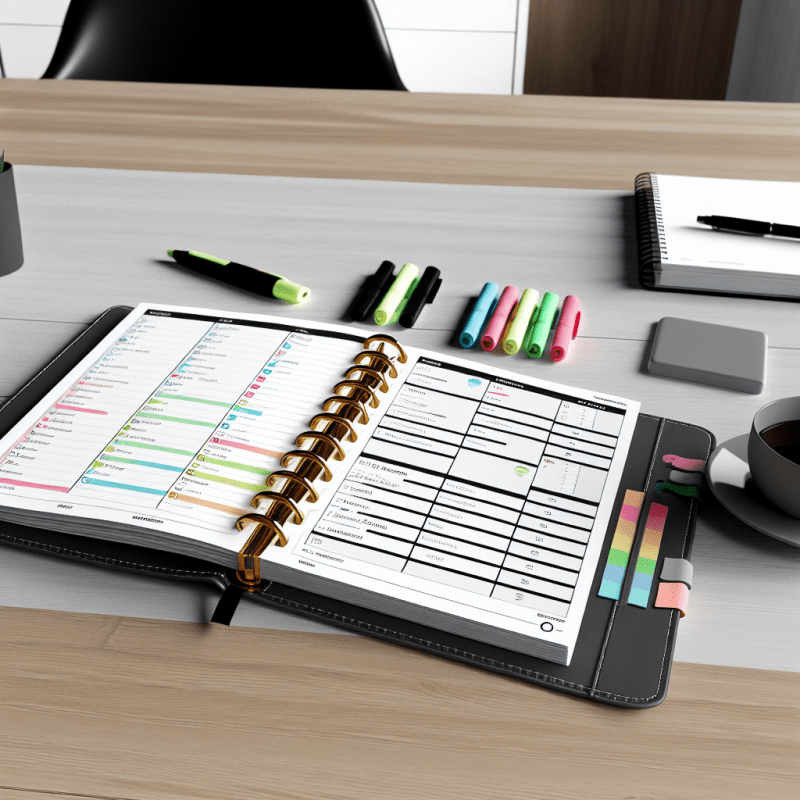
Next, break your tasks into smaller steps. Big projects can feel daunting, but when you slice them into bite-sized pieces, they become manageable. For example, if your goal is to write a report, start with research, then outline, and so on. Your planner can help you list these mini-tasks, making it easy to check them off as you go. It feels satisfying, right?
Don’t forget to include some buffer time. Life is unpredictable, and things can come up. Allowing some extra time between tasks helps you handle surprises without stress. This little trick keeps your day flowing smoothly.
Lastly, review your day each evening. Spend a few minutes looking at what you accomplished and what could be improved. This reflection isn’t just for planning tomorrow; it’s a chance to celebrate your wins and learn from any hiccups. Plus, it gets you in the right mindset for another productive day ahead!
Stay Focused on Your Goals
Staying focused on your goals can feel tough sometimes, but a daily planner makes it way easier. It puts everything in one place, helping you visualize what you want to achieve. You’ll find it’s super satisfying to tick off tasks as you go. Trust me, there's nothing quite like that feeling of progress!
With your planner, you can break down big goals into smaller, manageable tasks. Want to get fit? Write down your workout schedule for the week. Or if you’re working on a project, list out the steps you need to take each day. This way, instead of getting overwhelmed, you can celebrate the small wins along the way.
Another tip is to set specific times in your planner to check in on your goals. Maybe every Sunday, you review what you accomplished and tweak your plans for the week ahead. This helps keep your goals fresh in your mind and lets you adjust your path as needed.
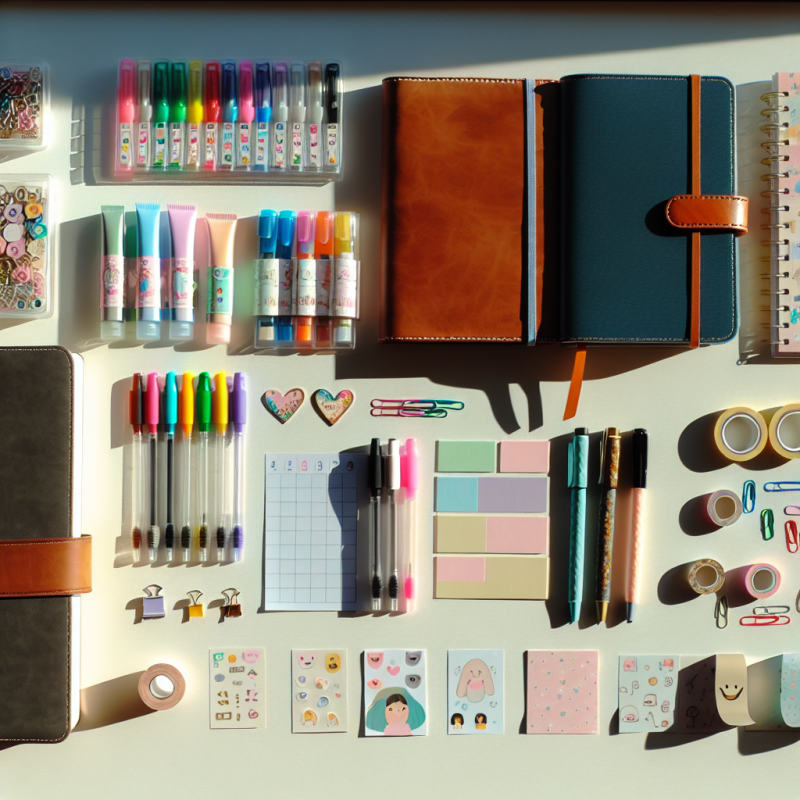
Visual reminders are also key. Some planners let you doodle, color, or even stick in fun stickers! Use these features to highlight what matters to you. This makes the process of planning feel less like a chore and allows you to express yourself while tuning in on your goals.
Create Healthy Daily Habits
Creating healthy daily habits can really change the game for your productivity and overall well-being. With the right daily planner in hand, you can not only keep track of your tasks, but also make space for healthy routines that stick. It’s all about starting small and being consistent. Even the smallest changes can lead to big impacts!
Start by setting clear goals for your day. Write down your top three priorities each morning. Maybe it's drinking enough water, taking a short walk, or picking up a healthy lunch. Once you jot these down, they become more than just thoughts; they transform into commitments. Using a planner helps you visualize your progress and keeps you accountable.
Incorporate fun and engaging ways to track your habits. Use colorful pens or stickers to mark off days you hit your targets. Gamifying your routine can make it feel less like a chore and more like a fun challenge. You’re not just crossing off tasks; you're celebrating your wins!
Don’t forget to reflect on your habits regularly. Each week, take a few minutes to check in with yourself. What’s working? What feels tough? This reflection can help you adjust your habits and ensure they align with your goals. It all starts with being honest with yourself and willing to adapt.
Lastly, keep it enjoyable! Your planner should be a space you look forward to using. Whether it’s adding motivational quotes or doodling, make it your own. When you enjoy the process, you’ll be more likely to stick with it and keep those healthy habits going strong!
Reflect and Improve Each Day
Having a daily planner isn’t just about scheduling your appointments; it’s a powerful tool for reflection and growth. When you set aside time each day to look back at what you accomplished, you identify what worked and what didn’t. This daily practice is key to improving and setting yourself up for even better days ahead.
Start by jotting down your thoughts at the end of each day. What were your biggest wins? Did you face any challenges? Write about how you felt and what you learned. This can be a game-changer for your mindset. Seeing your progress in black and white provides motivation to keep going, even on tough days.
To make this process easier, consider adding a “reflect and improve” section in your planner. You could list down:
This simple format not only helps you track your daily journey but also sets a positive tone for the next day. Keeping this reflection practice consistent helps you stay aware of your habits and encourages you to make intentional choices moving forward.