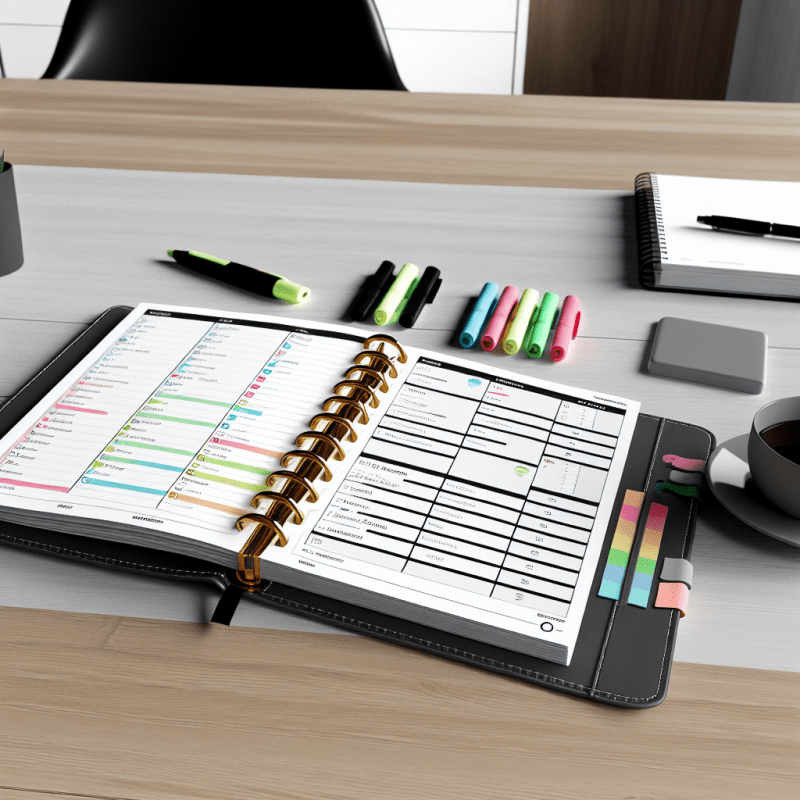
Daily journaling can do wonders for your creativity. Think about it: when you set aside just a few minutes each day to write, you tap into a well of ideas, feelings, and thoughts that might otherwise stay hidden. It’s like opening a door to your mind and letting all that creative energy flow out.
Just grab a notebook or one of those cool planners you’ve been eyeing. You don’t need fancy tools, just something that feels right in your hands. Start with writing prompts if you’re unsure where to begin. A simple question like “What made me smile today?” can lead to bursts of inspiration.
Regular journaling helps you build a habit of reflection. Over time, you start noticing patterns in your thoughts and feelings. This awareness can spark new ideas, whether it’s for a project at work or just a fun personal hobby. Plus, writing things down can help clear mental clutter, making space for fresh ideas.
Want to take this a step further? Try doodling or sketching in your journal. Sometimes words can feel limiting, and sketches can express what you’re feeling in a whole new way. Your creativity deserves to be unleashed, so give yourself permission to play around on the pages.
Clear Your Thoughts and Feelings
Sometimes, we all feel overwhelmed or confused, right? Journaling allows you to sort through those feelings. By writing what’s on your mind, you start to gain clarity. You’ll notice patterns in your thoughts, and that can lead to better understanding of what you really want or need. Plus, it’s a great way to track your emotional ups and downs over time.
Want to make it even more effective? Try prompts! You can ask yourself questions like: “What am I grateful for today?” or “What’s bothering me right now?” These can spark deeper reflections and help you dig into your feelings. It makes the writing process a little less intimidating and super productive.
And let’s not forget the stress relief! Writing things down can feel cathartic. Once you put pen to paper, you’ll often find that it’s easier to let go of negativity. It's a fantastic outlet for self-expression. Whether you're excited, anxious, or just plain mad, journaling helps you process it all.
Set Goals and Track Progress
Setting goals is one of the best ways to stay focused and make the most of your journaling journey. When you write down your goals, they become real. You’re not just thinking about what you want to achieve; you’re putting it out there. It’s like giving yourself a road map! Use your journal to jot down both short-term and long-term goals. Break big dreams into smaller, manageable steps to keep things from feeling overwhelming.
Tracking your progress is just as important. Each time you check in with your goals, you can celebrate those little wins. Did you finish a project? Work out consistently? Write in your journal every day for a week? Document those moments! Not only does it feel good to see progress, but it also helps you identify what’s working and what might need a little tweaking. Plus, nothing feels quite like flipping back through your entries and seeing how far you’ve come.
Create a simple tracking system in your journal. You could use bullet points for each goal and check them off as you achieve them. Some folks enjoy using stickers or color-coding to make it visually appealing. Whatever keeps you motivated! And remember, it’s okay if things don’t always go according to plan. Journaling is your personal space where you can reflect, reevaluate, and adjust your goals anytime you need.
Combining goal-setting with journaling not only boosts your motivation but also gives you clarity on what truly matters to you. You’ll find that getting your thoughts down on paper can spark new ideas or help you refine your goals over time. It’s a flexible, honest, and supportive way to hold yourself accountable and keep you pushing forward.
Find Peace and Reduce Stress
Feeling overwhelmed? You're not alone. Daily journaling can be your little escape from the chaos. When you set aside just a few minutes each day to jot down your thoughts, you create a safe space to reflect. This simple act can help clear your mind and put things into perspective.
Writing down your worries can be incredibly freeing. It allows you to get everything out of your head and onto paper. You’ll start to notice patterns in your thoughts and feelings. This awareness can be the first step toward reducing stress. Plus, seeing your concerns in front of you makes them feel a lot less daunting.
And let's not forget about gratitude journaling! Taking a moment to focus on what you’re thankful for can shift your mindset. It nudges you toward the positive, even on tough days. Listing a few good things that happened can be a real mood booster.
So grab a notebook or start a journaling app. No fancy pens required—just write what’s on your mind. Whether it’s deep feelings or random thoughts, getting it out can work wonders for your peace of mind. You might be surprised at how much lighter you feel after a few days of writing!